By Roxanne Reid
What I love about Cape Nature reserves are their principles of conservation and ecotourism. Conservation comes first, but they recognise that ecotourism is an excellent way to introduce visitors to the amazement of nature that deserves to be conserved, and to bring in much-needed funds. Here are some of my favourites, from Cederberg to Kogelberg and more.
What I love about Cape Nature reserves are their principles of conservation and ecotourism. Conservation comes first, but they recognise that ecotourism is an excellent way to introduce visitors to the amazement of nature that deserves to be conserved, and to bring in much-needed funds. Here are some of my favourites, from Cederberg to Kogelberg and more.
There are 25 Cape Nature reserves in the Western Cape, South Africa. I’ve presented my favourites in order from the West Coast to the Overberg, Garden Route and Karoo. That doesn’t mean I think the first one is ‘better’ than the last; I haven’t ranked them. Each is different and special in its own way.
Cederberg Wilderness Area
Cederberg Wilderness Area
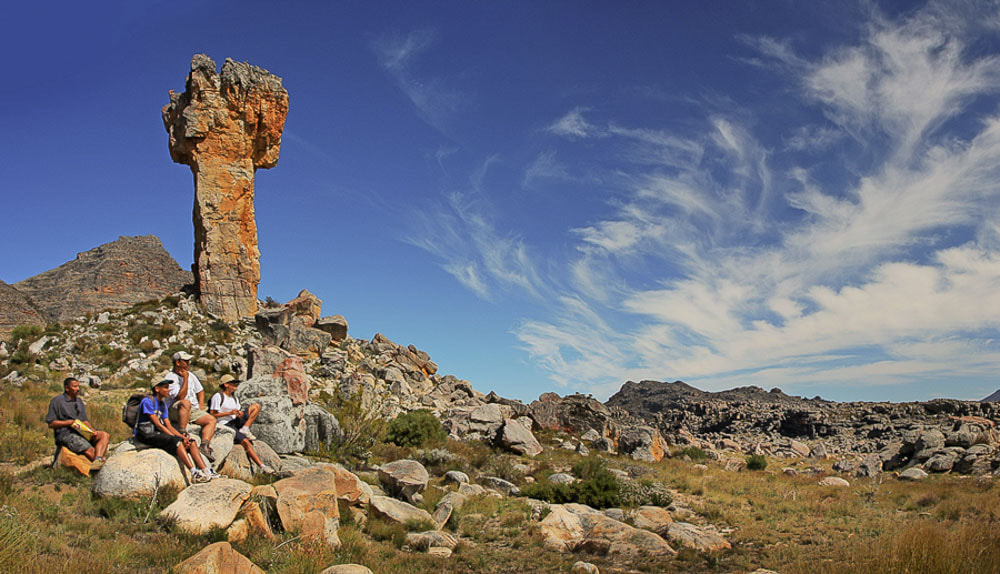
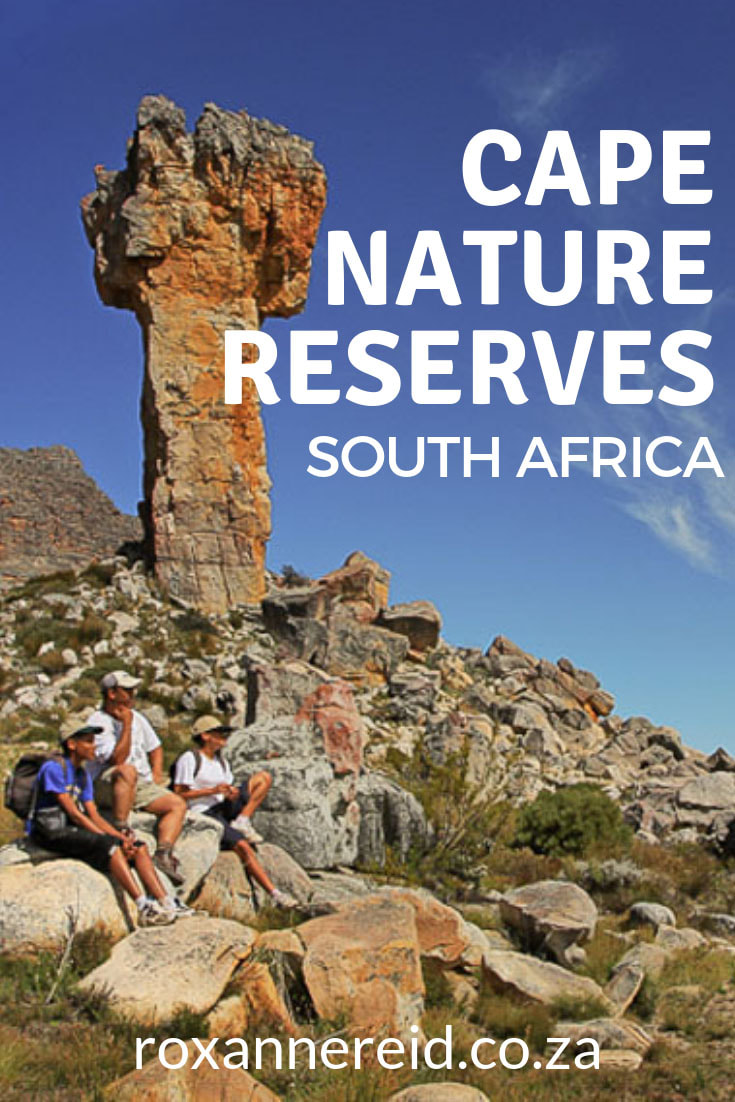
Three hours from Cape Town, the Cederberg Wilderness Area could just as well be on another planet. Gone are the cars and noise, and you’re surrounded by Cape fynbos of the Cape Floral Kingdom, which takes up less than 0.5% of the African continent but is home to 20% of its plants. In addition, Clanwilliam cedars – which give the area its name – fleck the landscape. In place of buildings are mountains, rough sandstone rock formations like the Maltese Cross and Wolfberg Arch, and soaring raptors calling from the skies. You should hear baboons barking from ridge to ridge, see dassie, klipspringer or grysbok. You may even spot a porcupine or Cape clawless otter on your hikes, and camera traps have proved there are leopards in the mountains though they tend to stick to themselves.
Where to find it
The reserve’s headquarters are at Algeria, about 220km north of Cape Town along the N7. It’s some 280km to the Kliphuis campsite on the Pakhuis Pass. The nearest towns are Citrusdal and Clanwilliam.
Cederberg accommodation
There are gorgeous new two-bedroom cottages at Algeria, with full kitchen for self-catering, lovely views, and stoeps for braaing and relaxing. This is among my favourite Cape Nature accommodation. Other cottages not far away sleep from four to eight people. There are well-appointed campsites at Algeria and Kliphuis on the Pakhuis Pass on the way to Wupperthal.
Things to do
Knock yourself out with activities like hiking (day trails and multi-day trails), mountain biking along laid-out trails, and bouldering at Rocklands, not far from the Kliphuis campsite. Or take it easy on a heritage donkey cart ride or slackpacking trail with a guide from the local community; start at the top of Pakhuis Pass and visit a local Moravian mission village.
Read more about the Cederberg
15 things to do in the Cederberg and Matjiesrivier
Matjiesrivier Nature Reserve
Where to find it
The reserve’s headquarters are at Algeria, about 220km north of Cape Town along the N7. It’s some 280km to the Kliphuis campsite on the Pakhuis Pass. The nearest towns are Citrusdal and Clanwilliam.
Cederberg accommodation
There are gorgeous new two-bedroom cottages at Algeria, with full kitchen for self-catering, lovely views, and stoeps for braaing and relaxing. This is among my favourite Cape Nature accommodation. Other cottages not far away sleep from four to eight people. There are well-appointed campsites at Algeria and Kliphuis on the Pakhuis Pass on the way to Wupperthal.
Things to do
Knock yourself out with activities like hiking (day trails and multi-day trails), mountain biking along laid-out trails, and bouldering at Rocklands, not far from the Kliphuis campsite. Or take it easy on a heritage donkey cart ride or slackpacking trail with a guide from the local community; start at the top of Pakhuis Pass and visit a local Moravian mission village.
Read more about the Cederberg
15 things to do in the Cederberg and Matjiesrivier
Matjiesrivier Nature Reserve
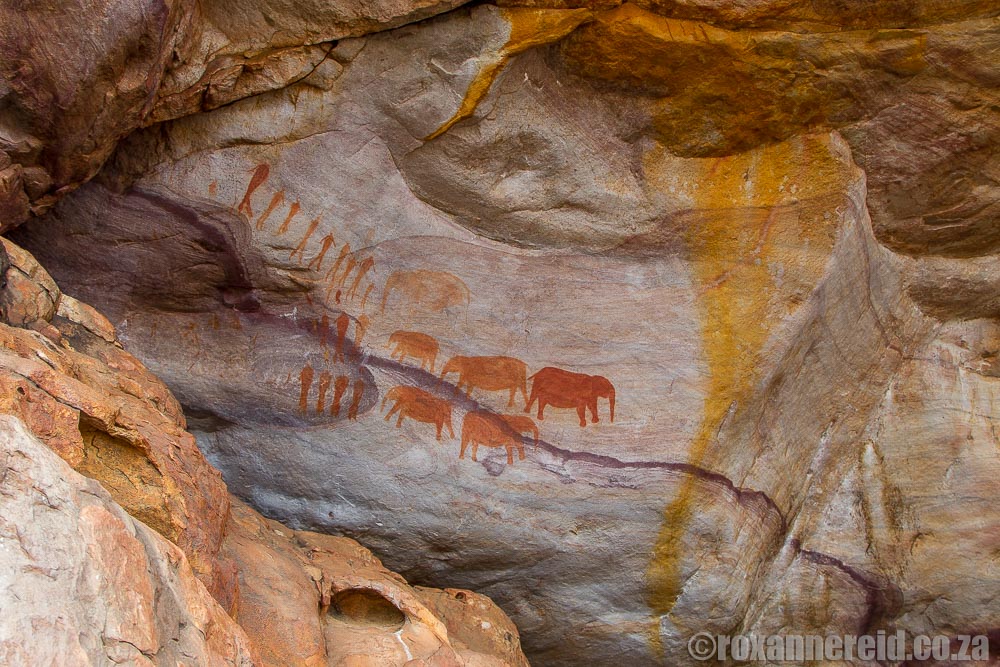
Matjiesrivier Nature Reserve may be just 12 800 hectares, but it packs a punch as far as biodiversity is concerned because it lies in a transitional zone between two biomes: Cape Fynbos and lowland Succulent Karoo. It’s probably best known for its rare San rock art depicting elephants and the amazing sandstone formations of the Stadsaal Caves. Walk the short trail that goes around some of the main cave formations and you’ll marvel at the variety and creativity of the shapes that have been carved by wind and water over millions of years.
Where to find it
You get to Matjiesrivier Nature Reserve via Algeria in the Cederberg (see above) where you need to get a permit. Algeria is about 220km north of Cape Town along the N7, and from there it’s another 35-40km along the Uitkyk Pass to Matjiesrivier.
Accommodation
There’s no Cape Nature accommodation in this reserve, but it’s part of the Cederberg Wilderness Area so staying at Algeria (see above) makes a lot of sense.
Things to do
Apart from hiking, which is one of the main reasons people come to the greater Cederberg Wilderness Area, the three biggest draw cards at Matjiesrivier are bouldering or rock climbing at Truitjieskraal, well-preserved San rock art, including an unusual depiction of elephants, and the amazing sandstone formations of the Stadsaal Caves (find out more about these in the link below). You need a permit for all of these; get it at the Cape Nature office in Algeria.
Read more about Matjiesrivier Nature Reserve
Rocherpan Nature Reserve
Where to find it
You get to Matjiesrivier Nature Reserve via Algeria in the Cederberg (see above) where you need to get a permit. Algeria is about 220km north of Cape Town along the N7, and from there it’s another 35-40km along the Uitkyk Pass to Matjiesrivier.
Accommodation
There’s no Cape Nature accommodation in this reserve, but it’s part of the Cederberg Wilderness Area so staying at Algeria (see above) makes a lot of sense.
Things to do
Apart from hiking, which is one of the main reasons people come to the greater Cederberg Wilderness Area, the three biggest draw cards at Matjiesrivier are bouldering or rock climbing at Truitjieskraal, well-preserved San rock art, including an unusual depiction of elephants, and the amazing sandstone formations of the Stadsaal Caves (find out more about these in the link below). You need a permit for all of these; get it at the Cape Nature office in Algeria.
Read more about Matjiesrivier Nature Reserve
Rocherpan Nature Reserve
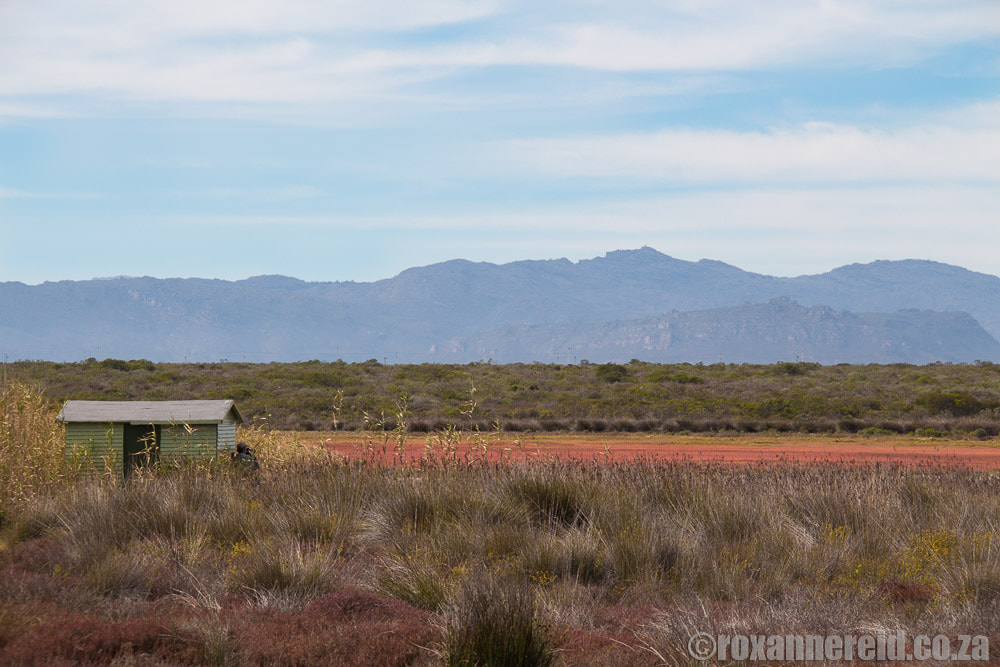
Rocherpan Nature Reserve on Saldanha Flats Strandveld enjoys a 5km stretch of coastline, much of which is a Marine Protected Area. But probably the reason most people visit is the seasonal vlei that’s crammed with birds, especially water birds. The pan is dry from March to June, so these aren’t the best months for keen birders to visit because you won’t see water birds or waders, flamingos or pelicans. That said, even during the dry months you’ll still be able to tick bush birds like weavers, robins, crombecs and larks, and sea birds like gulls and terns. There are nearly 200 bird species here, more than 20 of them threatened. A special along the coastal section is the handsome but endangered African black oystercatcher. Look carefully and you might also find wild flowers in the reserve, and perhaps angulate tortoise, steenbok, duiker or African wild cat.
Where to find it
Drive north from Cape Town to Velddrif 150km away on the R27; Rocherpan is another 25km north of Velddrif.
Rocherpan accommodation
Book a two-sleeper or four-sleeper eco-cabin (sleeps six if you use the daybeds too) with showers and eco-toilets. There’s a built-in braai on the stoep, which is a super place to enjoy both the start and end of the day. The cabins come with a fully equipped kitchen for self-catering and there’s an inside fireplace for cold winter nights. Bring your own food, drinking water and firewood.
Things to do
Go mountain biking along the jeep tracks, do the beach or vlei walking trails (3-4 hours each), sit in one of two hides to spy on the birds, or indulge in some whale watching (best in June to November). Cool off on a hot summer’s day with a dip in the swimming pool or the icy ocean, pack a picnic to enjoy at one of two picnic/braai areas in the reserve. If you have an angling permit, you can go fishing along the shoreline.
Read more about Rocherpan Nature Reserve
Kogelberg Nature Reserve
Where to find it
Drive north from Cape Town to Velddrif 150km away on the R27; Rocherpan is another 25km north of Velddrif.
Rocherpan accommodation
Book a two-sleeper or four-sleeper eco-cabin (sleeps six if you use the daybeds too) with showers and eco-toilets. There’s a built-in braai on the stoep, which is a super place to enjoy both the start and end of the day. The cabins come with a fully equipped kitchen for self-catering and there’s an inside fireplace for cold winter nights. Bring your own food, drinking water and firewood.
Things to do
Go mountain biking along the jeep tracks, do the beach or vlei walking trails (3-4 hours each), sit in one of two hides to spy on the birds, or indulge in some whale watching (best in June to November). Cool off on a hot summer’s day with a dip in the swimming pool or the icy ocean, pack a picnic to enjoy at one of two picnic/braai areas in the reserve. If you have an angling permit, you can go fishing along the shoreline.
Read more about Rocherpan Nature Reserve
Kogelberg Nature Reserve
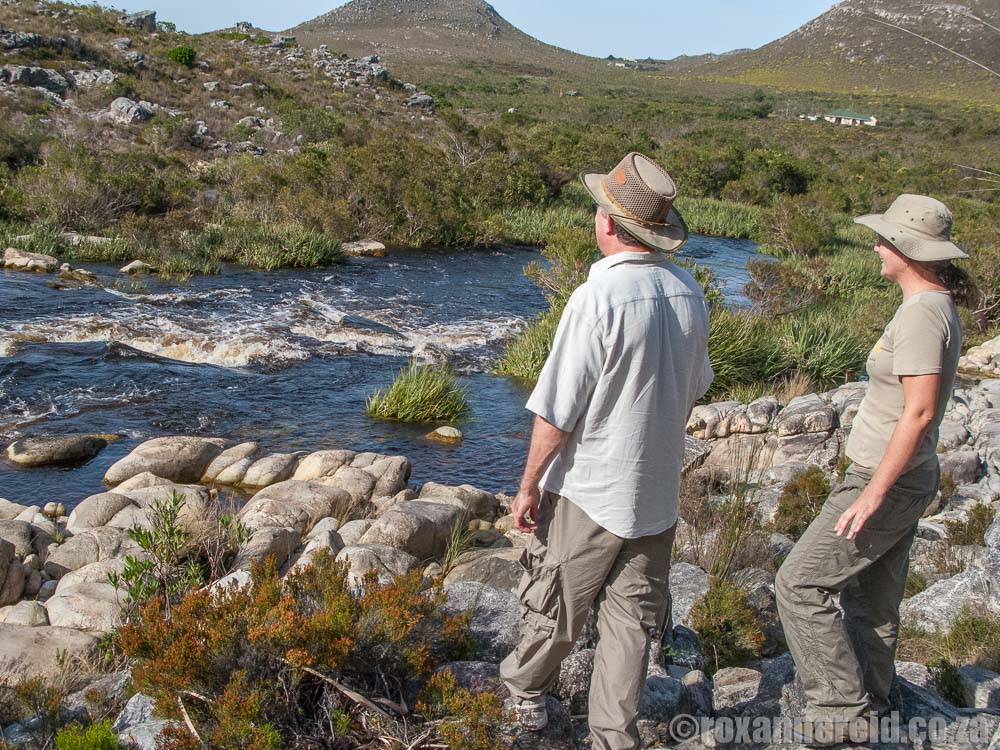
In the Kogelberg Nature Reserve you’ll find a crazy diversity of pristine fynbos. It is, after all, part of the Cape Floral Kingdom, which is a biodiversity and endemism hotspot – you could say the world’s hottest hotspot. Come here to revel in mountains, kloofs and valleys, with trickling streams and a deep sense of unspoilt wilderness. Although the reserve is a haven for animals like grey rhebuck, klipspringer, porcupine, dassie and baboon, as well as a nesting site for Verreaux’s eagle and African fish-eagle, it’s the rare and endemic plants that are its most special attributes. The reserve is managed according to the international principles of a biosphere reserve, which means the central 18 000ha remains pristine and wild. It’s buffered by a less sensitive area, which is where most of the activities take place.
Where to find it
Kogelberg is about 110km south east of Cape Town, via the N2 and R44. The nearest town is Kleinmond in the Overberg.
Kogelberg accommodation
Enjoy the lovely four-sleeper self-catering eco-cabins at Oudebosch, each with sitting and dining areas and fully equipped kitchen, as well as a built-in braai on the deck. They have two bedrooms and two bathrooms, one en suite.
Things to do
Go white-water kayaking on the Palmiet River in winter or tubing in summer, enjoy mountain biking along a jeep track or hiking along one of the day trails or the two-day Highlands Trail. There’s birding too, with fynbos species like sugarbirds and sunbirds, or take a drive to Stony Point penguin colony about 30 minutes away. You should also be able to enjoy whale watching along the coastal section, especially from June to November.
Read more about Kogelberg Nature Reserve
De Hoop Nature Reserve
Where to find it
Kogelberg is about 110km south east of Cape Town, via the N2 and R44. The nearest town is Kleinmond in the Overberg.
Kogelberg accommodation
Enjoy the lovely four-sleeper self-catering eco-cabins at Oudebosch, each with sitting and dining areas and fully equipped kitchen, as well as a built-in braai on the deck. They have two bedrooms and two bathrooms, one en suite.
Things to do
Go white-water kayaking on the Palmiet River in winter or tubing in summer, enjoy mountain biking along a jeep track or hiking along one of the day trails or the two-day Highlands Trail. There’s birding too, with fynbos species like sugarbirds and sunbirds, or take a drive to Stony Point penguin colony about 30 minutes away. You should also be able to enjoy whale watching along the coastal section, especially from June to November.
Read more about Kogelberg Nature Reserve
De Hoop Nature Reserve
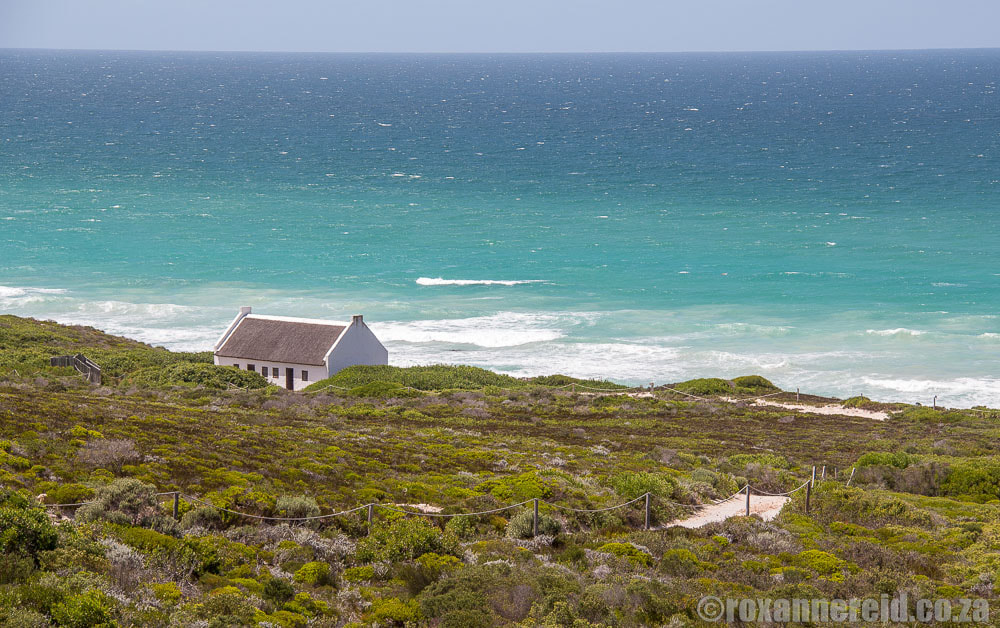
De Hoop Nature Reserve is just a three-hour drive from Cape Town. One of its highlights is the Cape Floral Kingdom; the reserve protects some 1 500 species of plants. The vlei is a Ramsar wetland of international importance. Around 40% of southern right whales breed in the marine reserve that stretches 5km out to sea, making De Hoop one of the best land-based whale watching destinations in South Africa, especially from June to November. You can also spot some of its 86 mammal species, from Cape mountain zebra, eland and bontebok to grey rhebok and even caracal or leopard (though the latter two are elusive). Among the 260 bird species that are protected here, Potberg has the only Western Cape breeding colony of Cape vultures.
Where to find it
De Hoop is in the Overberg, about 230km southeast of Cape Town via the N2 to Caledon, then the R316. The reserve lies on the coastal strip between Bredasdorp, Malgas and Witsand in the southern Cape.
De Hoop accommodation
Most accommodation in the reserve is run privately by the De Hoop Collection. It offers everything from rustic self-catering rondavels with shared ablutions at the campsite, to luxury chalets and suites. There’s also the Fig Tree restaurant. Natural Selection’s new luxury concession with amazing views has recently opened at Lekkerwater.
Things to do
There’s lots to do here, from hiking and mountain biking trails to game viewing, bird watching, vulture walk and picnic, walking on the white sandy beaches or doing a guided marine trail to learn about the creatures of the rock pools, from anemones and urchins to chitons and limpets. The Whale Trail is a five-night 55km hiking adventure from Potberg to Koppie Alleen; you overnight (bring your own bedding) in comfy cottages run by Cape Nature.
Read more about De Hoop Nature Reserve
Goukamma Nature Reserve
Where to find it
De Hoop is in the Overberg, about 230km southeast of Cape Town via the N2 to Caledon, then the R316. The reserve lies on the coastal strip between Bredasdorp, Malgas and Witsand in the southern Cape.
De Hoop accommodation
Most accommodation in the reserve is run privately by the De Hoop Collection. It offers everything from rustic self-catering rondavels with shared ablutions at the campsite, to luxury chalets and suites. There’s also the Fig Tree restaurant. Natural Selection’s new luxury concession with amazing views has recently opened at Lekkerwater.
Things to do
There’s lots to do here, from hiking and mountain biking trails to game viewing, bird watching, vulture walk and picnic, walking on the white sandy beaches or doing a guided marine trail to learn about the creatures of the rock pools, from anemones and urchins to chitons and limpets. The Whale Trail is a five-night 55km hiking adventure from Potberg to Koppie Alleen; you overnight (bring your own bedding) in comfy cottages run by Cape Nature.
Read more about De Hoop Nature Reserve
Goukamma Nature Reserve
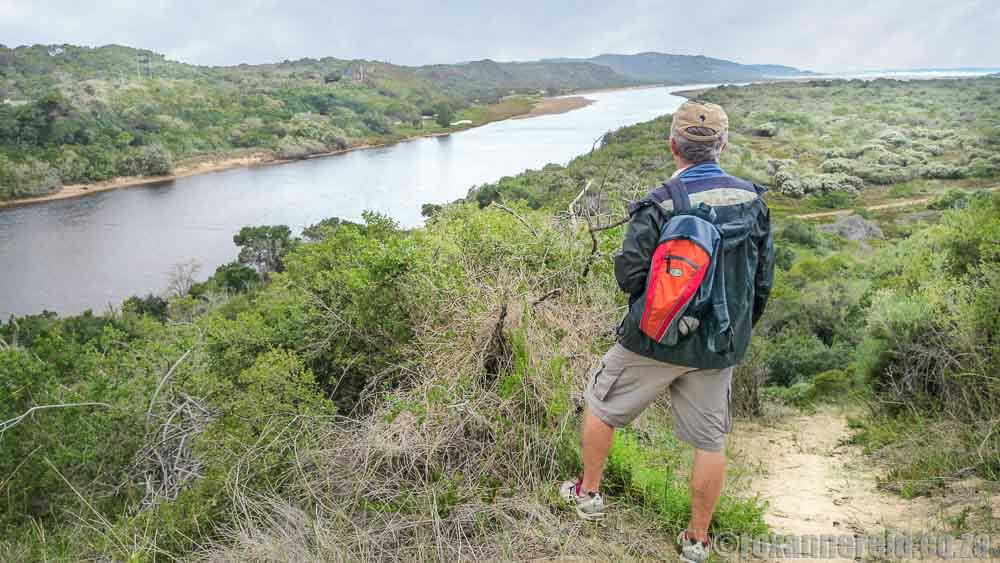
There’s lots to do at Goukamma Nature Reserve, but a large part of its appeal is its tranquillity and seclusion. Although it’s near Knysna on the busy Garden Route coast, you can leave the clamour behind and submit to the sounds of the sea and the forest. Some 220 species of birds have been recorded in the reserve, from sombre greenbul and Knysna turacos in the forest to African fish-eagle, African spoonbill, sunbirds, kingfishers and woodpeckers. The reserve’s main function isn’t to preserve an endangered animal, bird or plant species. Instead, it does a stellar job of conserving a ribbon of Southern Cape coast against overdevelopment that might try to merge Knysna and Sedgefield. The reserve also includes a Marine Protected Area that’s 18km long and stretches nearly 2km out to sea.
Where to find it
About 480km east of Cape Town, between the Garden Route towns of Sedgefield and Knysna, is the right turn to Buffalo Bay. The entrance to Goukamma is about 8km down this road on your right.
Goukamma accommodation
There are two- to six-sleeper cottages overlooking the Goukamma River, four- to six-sleeper log cabins that hunker down on the edge of indigenous forest at Buffalo Valley, and the four-sleeper Mvubu Bush Camp – an elevated, wood-and-thatch cottage in a milkwood forest on the edge of Groenvlei.
Things to do
If you enjoy nature and walking, you’re spoilt for choice at Goukamma. There are a number of hiking trails from around 4km to 15km long. Choose from beach walks, dune walks through coastal fynbos, or walks through indigenous forest. Take your binos on your walks to catch up on some bird watching. From July to December, it’s a good place for whale watching too. Explore the rock pools at low tide to find anemones and sea urchins. Hire a canoe and explore the river or spend a few hours fishing for alien bass on Groenvlei – you can get a permit from the reserve office.
Read more about Goukamma Nature Reserve
Swartberg Nature Reserve
Where to find it
About 480km east of Cape Town, between the Garden Route towns of Sedgefield and Knysna, is the right turn to Buffalo Bay. The entrance to Goukamma is about 8km down this road on your right.
Goukamma accommodation
There are two- to six-sleeper cottages overlooking the Goukamma River, four- to six-sleeper log cabins that hunker down on the edge of indigenous forest at Buffalo Valley, and the four-sleeper Mvubu Bush Camp – an elevated, wood-and-thatch cottage in a milkwood forest on the edge of Groenvlei.
Things to do
If you enjoy nature and walking, you’re spoilt for choice at Goukamma. There are a number of hiking trails from around 4km to 15km long. Choose from beach walks, dune walks through coastal fynbos, or walks through indigenous forest. Take your binos on your walks to catch up on some bird watching. From July to December, it’s a good place for whale watching too. Explore the rock pools at low tide to find anemones and sea urchins. Hire a canoe and explore the river or spend a few hours fishing for alien bass on Groenvlei – you can get a permit from the reserve office.
Read more about Goukamma Nature Reserve
Swartberg Nature Reserve
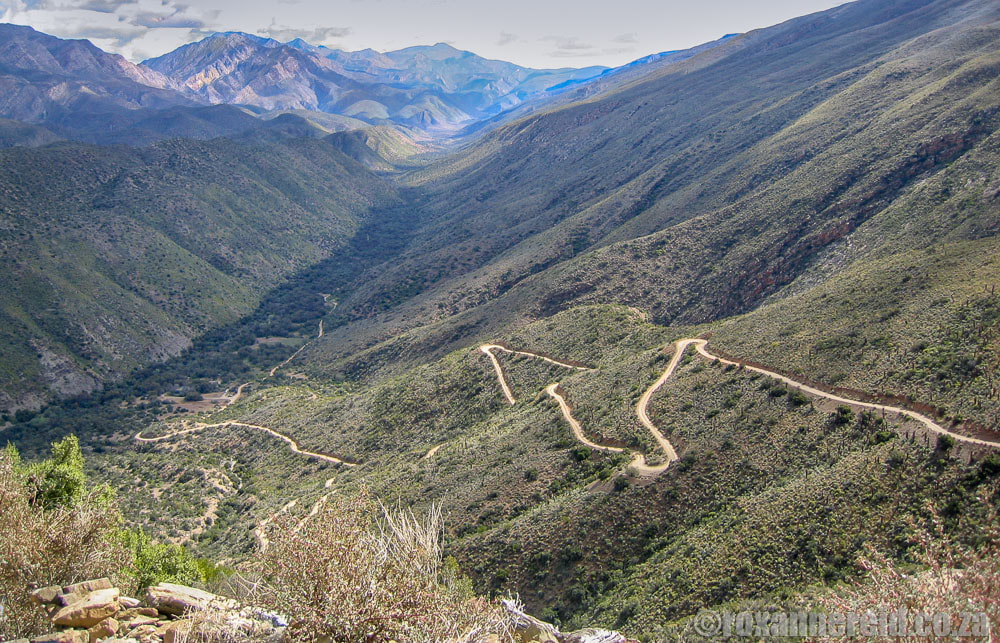
More famously known as Gamkaskloof or The Hell, the Swartberg Nature Reserve conserves a diversity of veld types from renosterveld and mountain fynbos to spekboom veld. On your hikes you may spot buck, baboon and dassie, or some of the 130 species of birds in the reserve, like martial and Verreaux’s eagle, Cape sugarbird and kingfishers. There are 4500 species of plant, including beautiful proteas that bloom in autumn. From a cultural perspective, caves in the reserve preserve San rock art. This is a place to find serenity, to relax and give yourself up to the place’s timeless quality. Note that you need a high-clearance 4x4 vehicle to access this reserve.
Where to find it
Gamkaskloof is just off the Swartberg Pass 40km north of Oudtshoorn in the Little Karoo or about 55km south of Prince Albert. The last 37km down into the valley along Elands Pass is very steep gravel with about 200 bends, some of them hairpins. It will take you two to two-and-a-half hours, so don’t skimp on time.
Gamkaskloof accommodation
Restored old houses from the days before a road was built to access the settlement serve as self-catering accommodation in Gamkaskloof. Sleeping from two to eight people, they’re atmospheric, redolent of the old days and simpler times. There’s also a campsite with solar lights but no power points; bring your own supplies, firewood and torches.
Things to do
If you love hiking, you’ll be in your element here, with short trails and the challenging four-day Swartberg Trail. Mountain biking is allowed at certain times of year (just get permission first). There’s also birding, game viewing, stargazing and a 4x4 trail. It’s worth exploring the little info centre at Ouplaas when you book in to find out about the people who used to live here.
Read more about Swartberg Nature Reserve
15 things to do in Prince Albert, Karoo
Gamkaberg Nature Reserve
Where to find it
Gamkaskloof is just off the Swartberg Pass 40km north of Oudtshoorn in the Little Karoo or about 55km south of Prince Albert. The last 37km down into the valley along Elands Pass is very steep gravel with about 200 bends, some of them hairpins. It will take you two to two-and-a-half hours, so don’t skimp on time.
Gamkaskloof accommodation
Restored old houses from the days before a road was built to access the settlement serve as self-catering accommodation in Gamkaskloof. Sleeping from two to eight people, they’re atmospheric, redolent of the old days and simpler times. There’s also a campsite with solar lights but no power points; bring your own supplies, firewood and torches.
Things to do
If you love hiking, you’ll be in your element here, with short trails and the challenging four-day Swartberg Trail. Mountain biking is allowed at certain times of year (just get permission first). There’s also birding, game viewing, stargazing and a 4x4 trail. It’s worth exploring the little info centre at Ouplaas when you book in to find out about the people who used to live here.
Read more about Swartberg Nature Reserve
15 things to do in Prince Albert, Karoo
Gamkaberg Nature Reserve
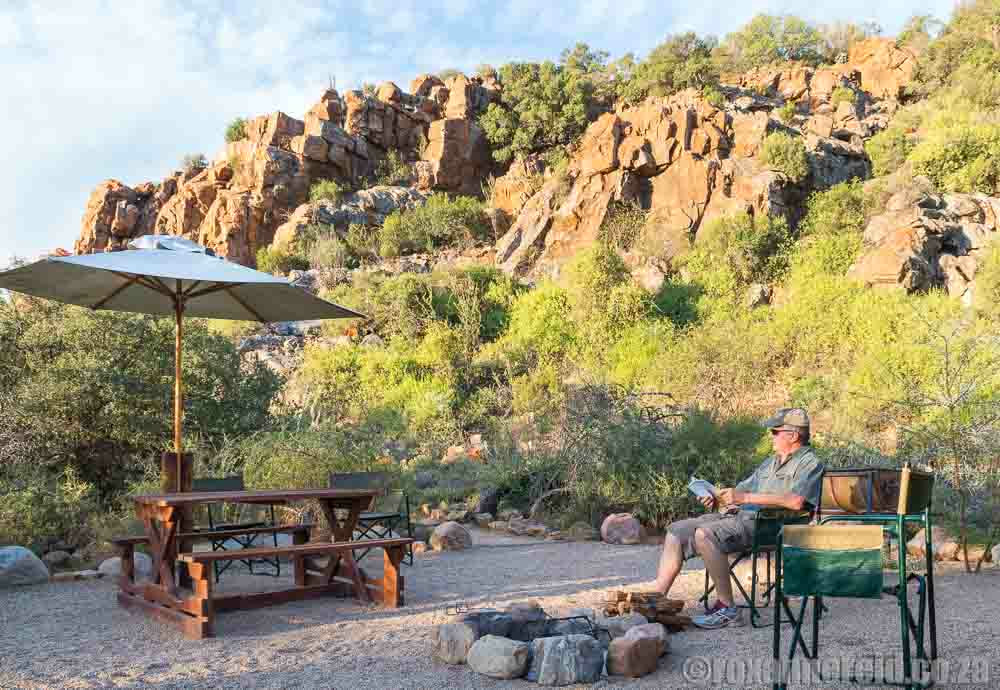
The Gamkaberg Nature Reserve came into being to protect a small herd of Cape mountain zebra and their habitat. The population has grown from five individuals in 1976 to around 50. You might also spot eland, kudu, red hartebeest, klipspringer, steenbok or even caracal, and you’ll almost certainly hear baboons barking from the krantzes. The landscapes here are rugged, with mountain peaks and deep gullies. Look around and you’ll see Table Mountain shale and quartzite and well as Bokkeveld sandstone. Here you’re at the point where four plant biomes dovetail: the Cape Floral Kingdom, Succulent Karoo, Subtropical Thicket and Evergreen Forest. My favourites little plants here are succulents called bababoudtjies (babies’ bottoms). Gamkaberg also has a wealth of Khoisan rock art and early marine invertebrate fossils.
Where to find it
Gamkaberg Nature Reserve is halfway between Calitzdorp and Oudtshoorn off the R62 (about 400km east of Cape Town). Cape Nature has identified that the directions on Google Maps are wrong, so rather download Cape Nature’s map here.
Gamkaberg accommodation
There are four self-catering eco-lodges in the Gamkaberg, sleeping from two to eight in safari-style tents with communal kitchens and ablutions (except the two-sleeper Xami eco-lodge, which has its own kitchen and ablutions). If you’d rather go more rustic, there’s a remote camp at Ou Kraal with eight beds in four simple huts, reached via a one-and-a-half-hour 4x4 trail or a six-hour hike. Or sleep in a tent at the campsite near the main office and info centre.
Things to do
Go nuts here with a traditional rock climbing route, a day hike (choices from 0.7km to 14.5km) through Succulent Karoo and Subtropical Thicket, or book a multi-day hiking trail at Tierkloof. Look for Cape mountain zebra or buck, birds like martial eagle and African fish-eagle, bustards, korhaans, larks and kingfishers. Drive a 4x4 trail to explore the reserve, admire its landscapes and special plants, its sweeping views.
Read more about Gamkaberg Nature Reserve
Anysberg Nature Reserve
Where to find it
Gamkaberg Nature Reserve is halfway between Calitzdorp and Oudtshoorn off the R62 (about 400km east of Cape Town). Cape Nature has identified that the directions on Google Maps are wrong, so rather download Cape Nature’s map here.
Gamkaberg accommodation
There are four self-catering eco-lodges in the Gamkaberg, sleeping from two to eight in safari-style tents with communal kitchens and ablutions (except the two-sleeper Xami eco-lodge, which has its own kitchen and ablutions). If you’d rather go more rustic, there’s a remote camp at Ou Kraal with eight beds in four simple huts, reached via a one-and-a-half-hour 4x4 trail or a six-hour hike. Or sleep in a tent at the campsite near the main office and info centre.
Things to do
Go nuts here with a traditional rock climbing route, a day hike (choices from 0.7km to 14.5km) through Succulent Karoo and Subtropical Thicket, or book a multi-day hiking trail at Tierkloof. Look for Cape mountain zebra or buck, birds like martial eagle and African fish-eagle, bustards, korhaans, larks and kingfishers. Drive a 4x4 trail to explore the reserve, admire its landscapes and special plants, its sweeping views.
Read more about Gamkaberg Nature Reserve
Anysberg Nature Reserve
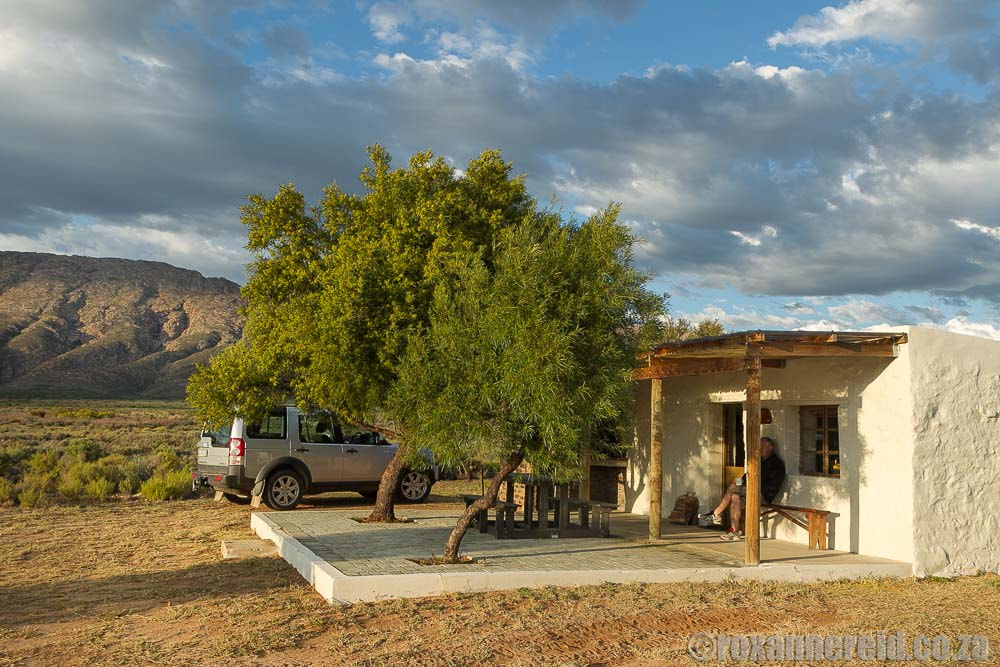
Set among a glorious Karoo landscape with rolling mountains, gorges and rivers, Anysberg Nature Reserve is a place to find a lot of open space, fresh air and stars, as well as a profusion of Cape fynbos. You should also see animals like Cape mountain zebra, black-backed jackal and buck. The riverine rabbit and brown hyena live here too, both subjects of recent research, but you’d be very lucky to spot them. There are about 180 bird species waiting to be ticked, and some sites of ancient San rock art. Note that you need a high-clearance 4x4 vehicle to enjoy this reserve and there’s no cell phone reception, ensuring an away-from-it-all sense of peace.
Where to find it
Anysberg is between Ladismith, Laingsburg, Touwsrivier and Montagu in the Karoo. It’s around 350km from Cape Town and 75km from the Karoo town of Laingsburg.
Anysberg accommodation
There’s a range of self-catering accommodation, from camping to two- to six-sleeper cottages. There are also tiny two-sleeper log cabins at Tapfontein (bring your own bedding), which you can get to only via a 4x4 trail or by horse or mountain bike.
Things to do
Things to do at Anysberg include hiking, mountain biking, horse riding, swimming in a pool at Vrede (where the cottages and campsite are), and stargazing in the clear dry Karoo air.
Read more about Anysberg Nature Reserve
Need to know
Here are two special tips when planning your stay at one of these reserves.
Vrolijkheid Nature Reserve in the Breede River Valley, Route62
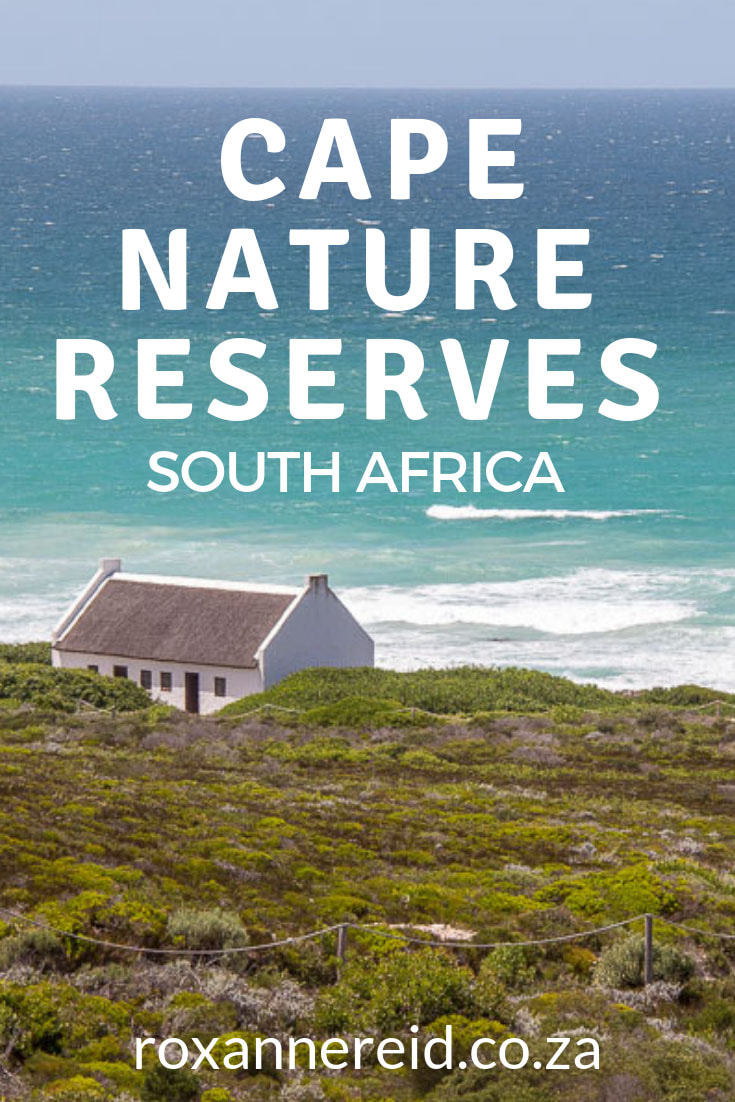
Like it? Pin this image!
Where to find it
Anysberg is between Ladismith, Laingsburg, Touwsrivier and Montagu in the Karoo. It’s around 350km from Cape Town and 75km from the Karoo town of Laingsburg.
Anysberg accommodation
There’s a range of self-catering accommodation, from camping to two- to six-sleeper cottages. There are also tiny two-sleeper log cabins at Tapfontein (bring your own bedding), which you can get to only via a 4x4 trail or by horse or mountain bike.
Things to do
Things to do at Anysberg include hiking, mountain biking, horse riding, swimming in a pool at Vrede (where the cottages and campsite are), and stargazing in the clear dry Karoo air.
Read more about Anysberg Nature Reserve
Need to know
Here are two special tips when planning your stay at one of these reserves.
- Cape Nature often offers low-season (winter) rates at a substantial discount on their normal rates so keep your eye on their website https://www.capenature.co.za and newsletters.
- If you have a Wild Card, your entrance to Cape Nature reserves is free for a year. See here for how to get one and what it costs. Just make sure you select the right ‘cluster’.
Vrolijkheid Nature Reserve in the Breede River Valley, Route62
Like it? Pin this image!
 |  |
Copyright © Roxanne Reid - No words or photographs on this site may be used without permission from roxannereid.co.za